In Golspie, every season brings its own character, from long sunny days on the beach and colourful village displays to tranquil woodland walks, wildlife watching, and spectacular winter skies. This season-by-season guide highlights what you can see and do throughout the year, helping you plan the perfect time to visit Golspie and its surrounding landscapes.
Summer
June to August
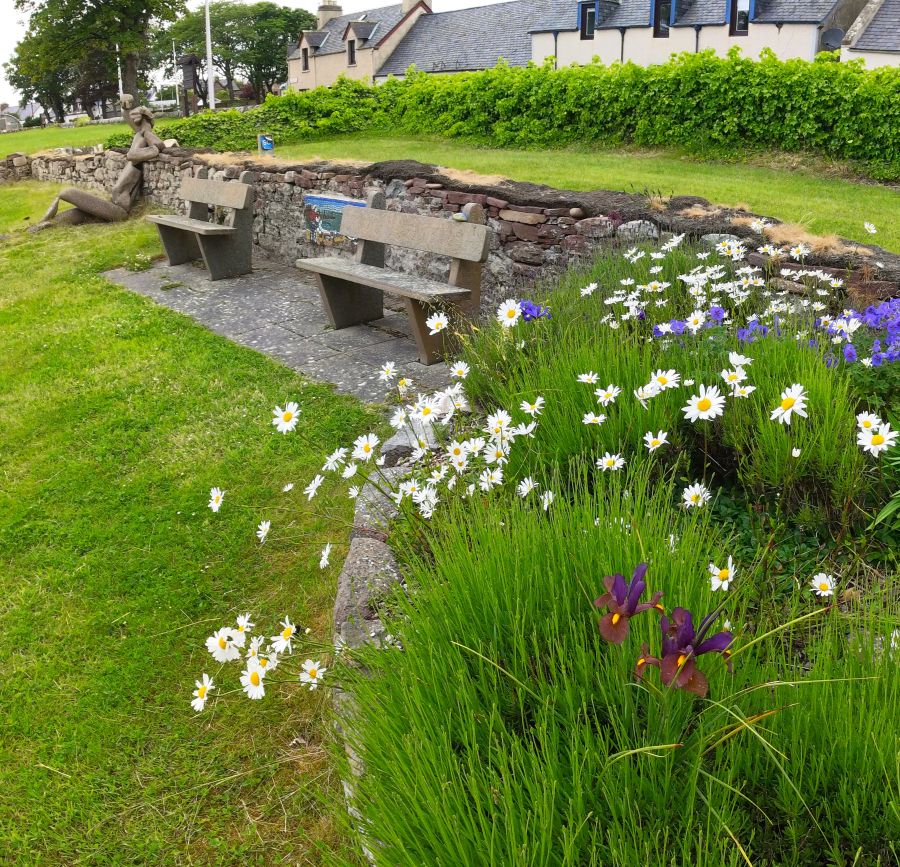
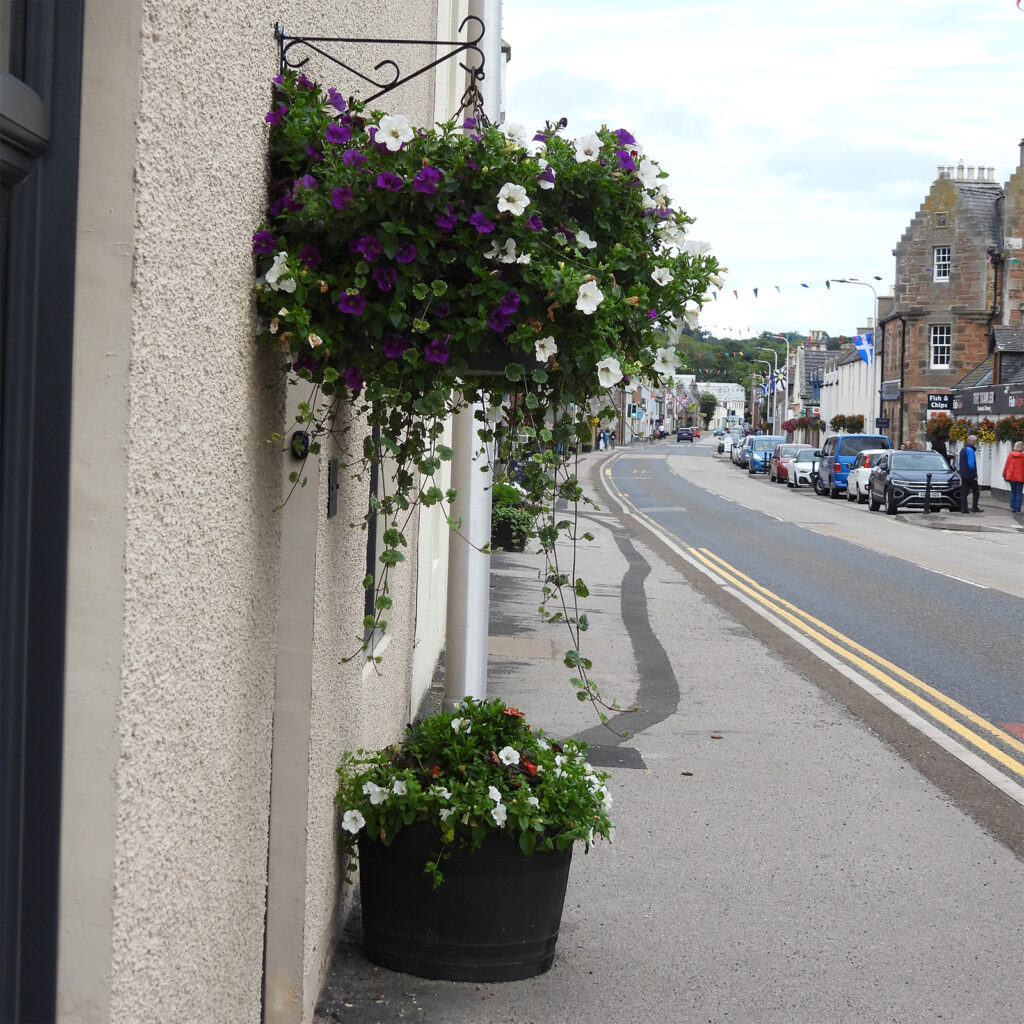
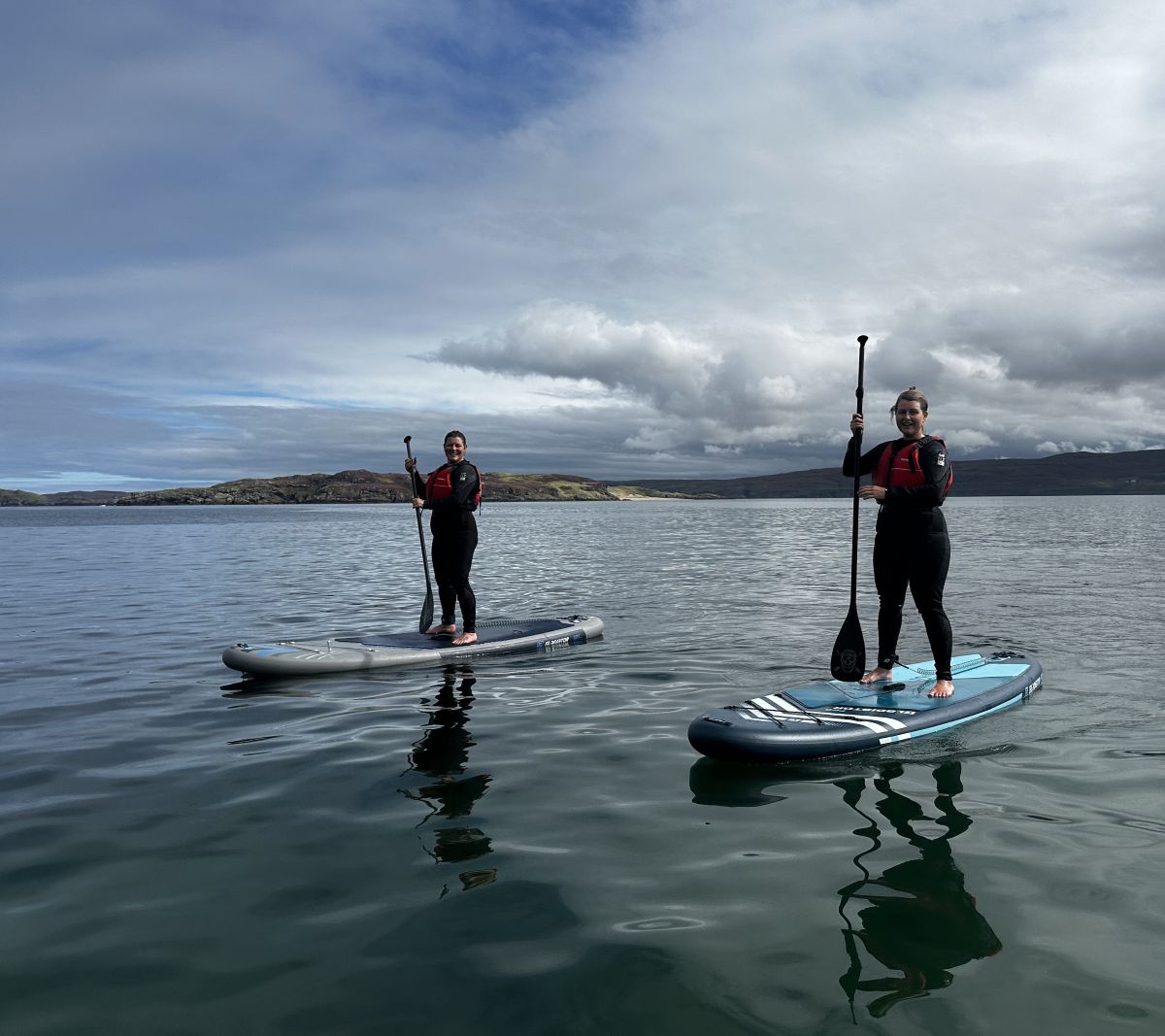
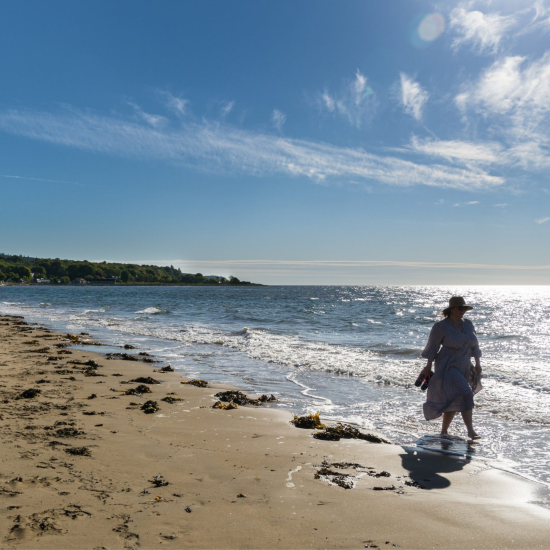
The warm, sunny months are perfect for outdoor activities like beach walks and sightseeing. Main Street literally blooms with the colourful hanging baskets put out by the Golspie in Bloom team. Gala Week (late July to early August) offers a fun filled week with a range of activities for all ages.
The sea temperature tends to be warm from June to October peaking in the first part of August. This makes it an ideal time to go wild swimming off the coast especially near the Kart Track, which is approximately 1 to 2 miles southeast of the village on the way to Littleferry.
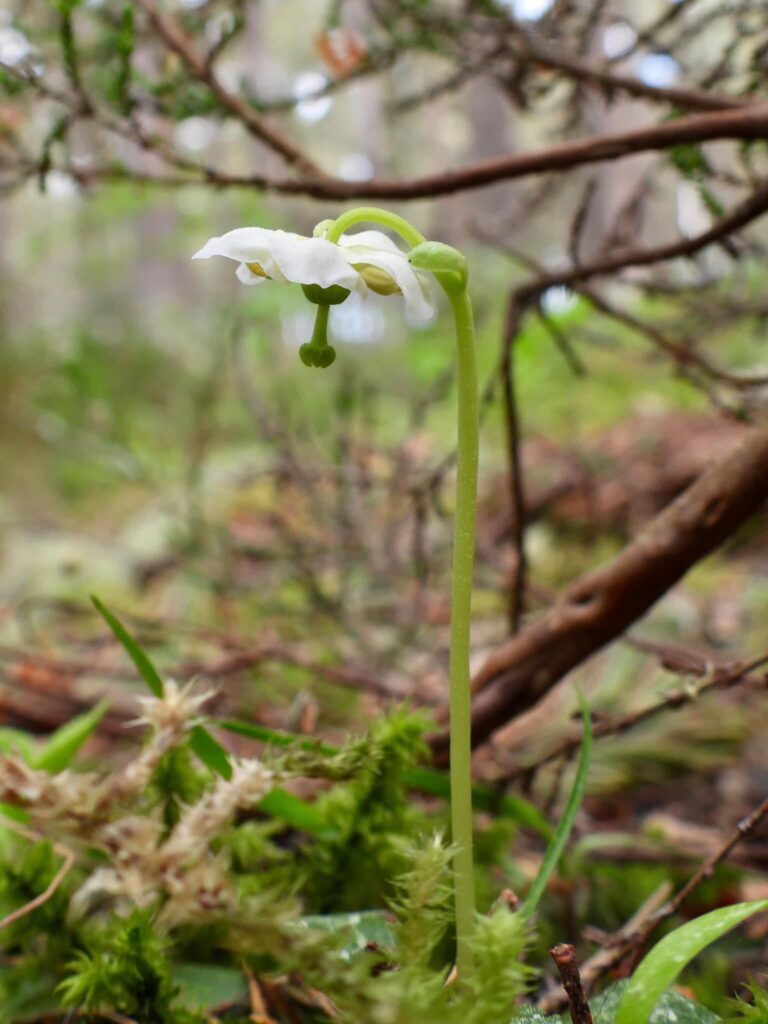
Mid June is a good time to visit Balblair Woods, which is on the way to Littleferry, to look for the rare pinewood flowers – One-flowered Wintergreen, Twinflower and Creeping Lady’s Tresses.
Salmon typically make their way back from the sea between late August and October. At Littleferry, where the Loch Fleet National Nature Reserve meets the coastline, salmon pools can be found. Since this area is affected by tides, the arrival of fish often corresponds with rising water, as they move into the pools when the tide comes in.
Autumn
September to November
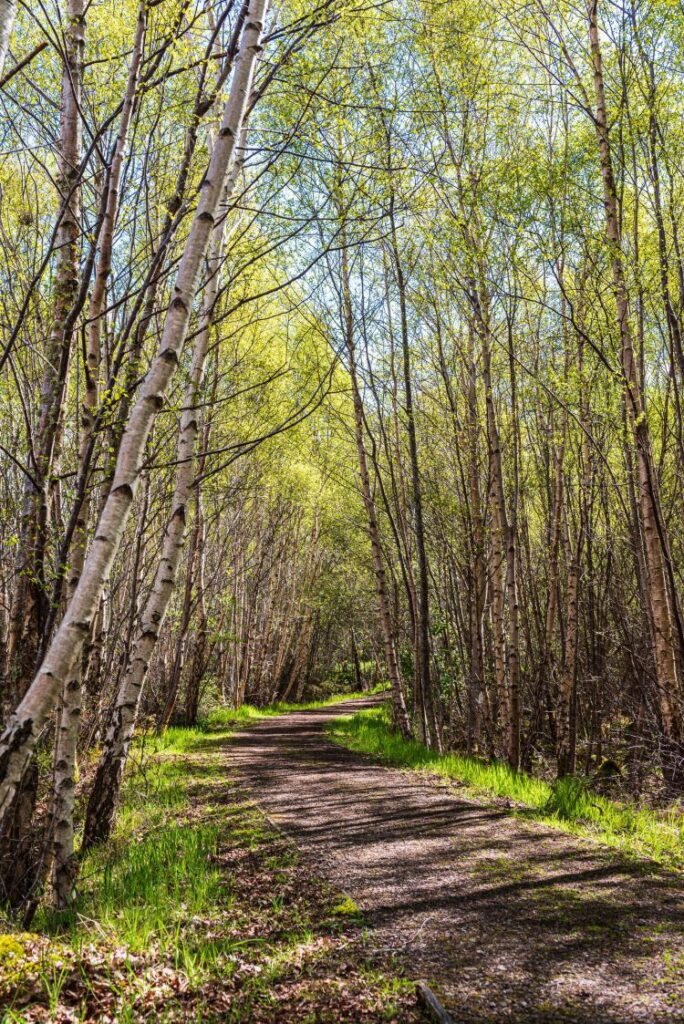
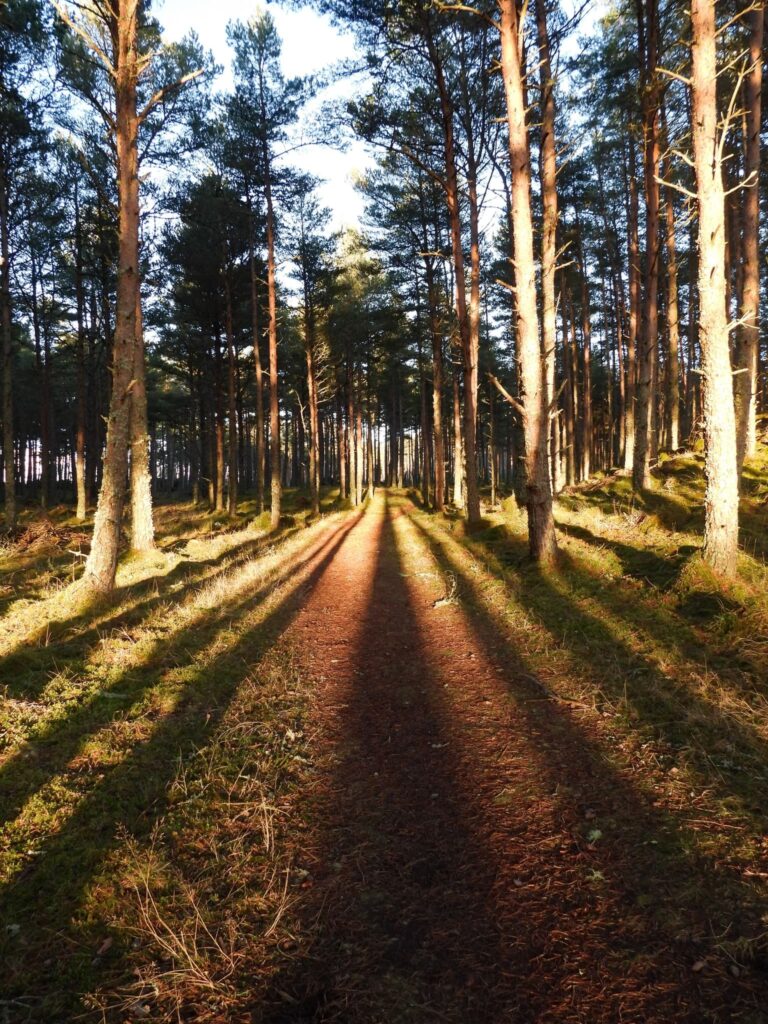
Cooler weather and shorter days create a tranquil setting with colourful scenery. Whereas spring brings wildflowers, Autumn features vibrant foliage, especially in the ancient forest along the Big Burn Trail.
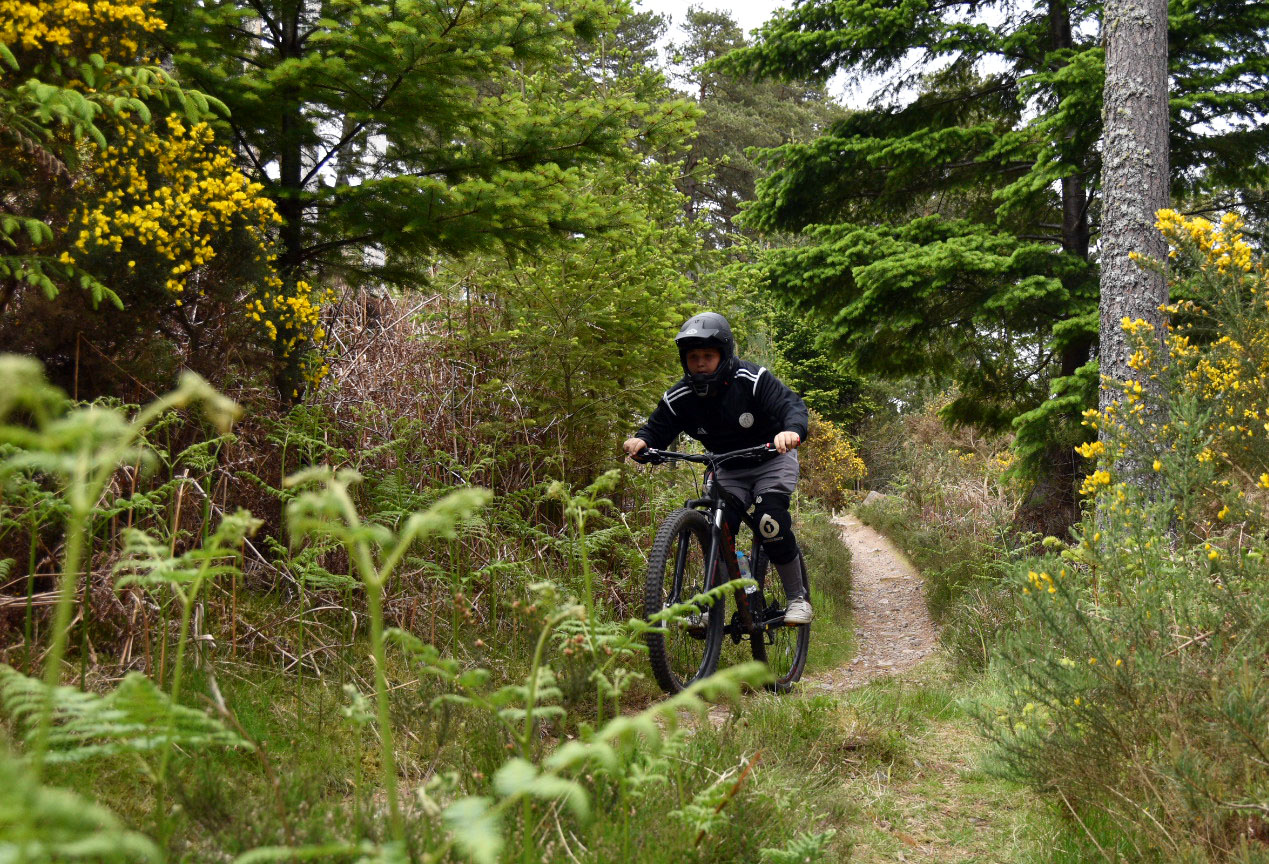
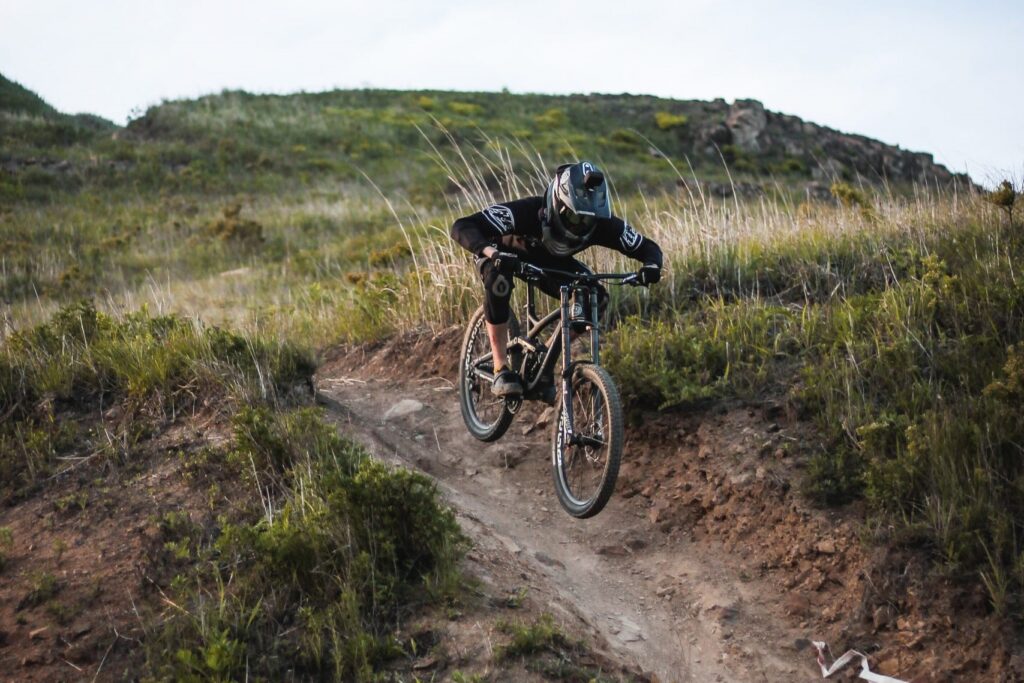
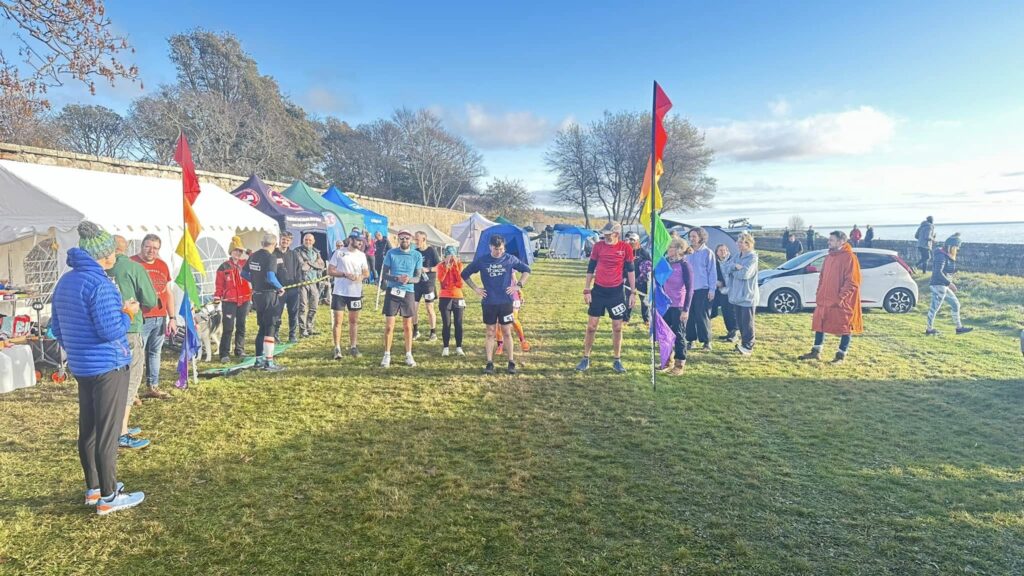
Both seasons offer mild weather and fewer crowds. For those who enjoy a challenge the spectacular Backyard Ultra takes place in November at Dunrobin Castle and mountain biking on the Highland Wildcat Trails is excellent this time of the year as it is much cooler.
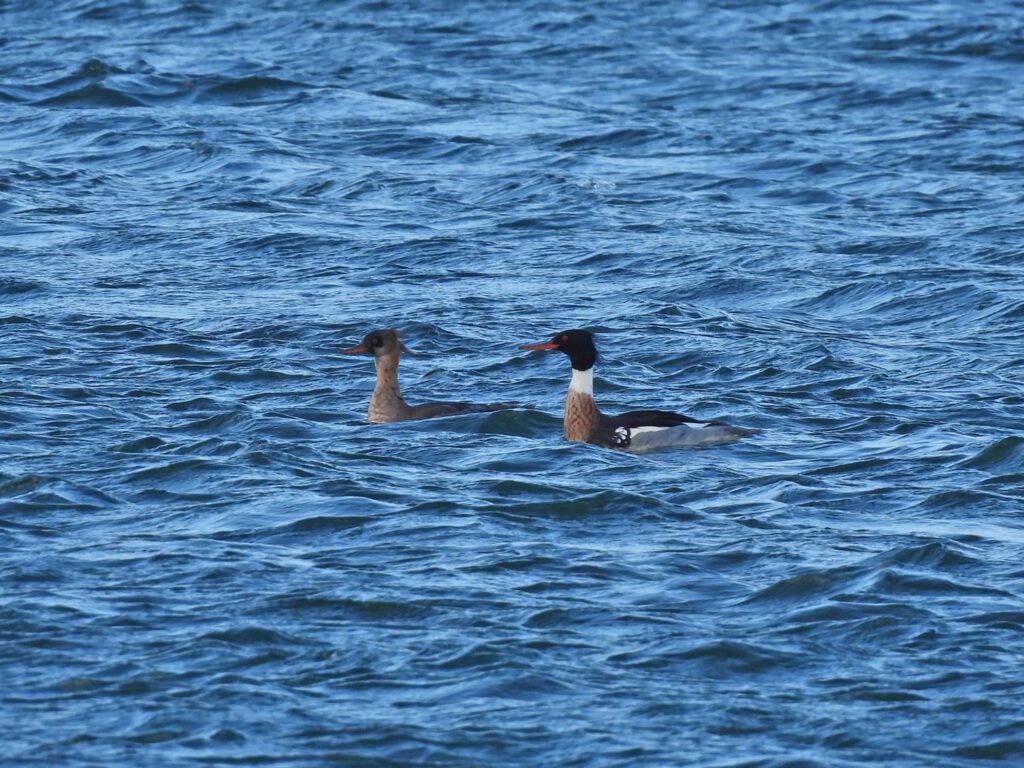
Although you can see wading birds on the mudflats of Loch Fleet throughout the year, the autumn and winter months are when the largest numbers arrive bringing lots of different species. The end of the loch nearest the Mound attracts most birds e.g. Curlews, Oystercatchers, Redshank, Black-tailed Godwit and Lapwings.
Winter
December to February
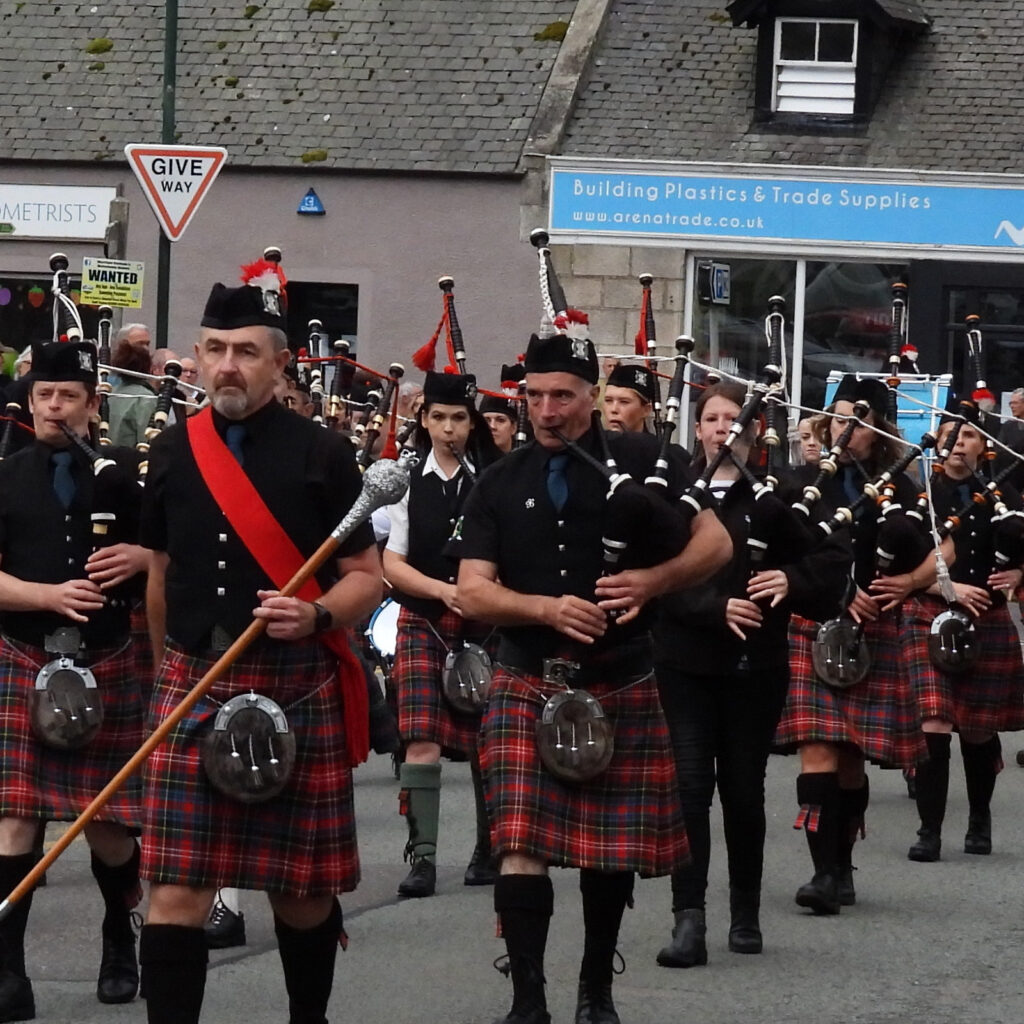
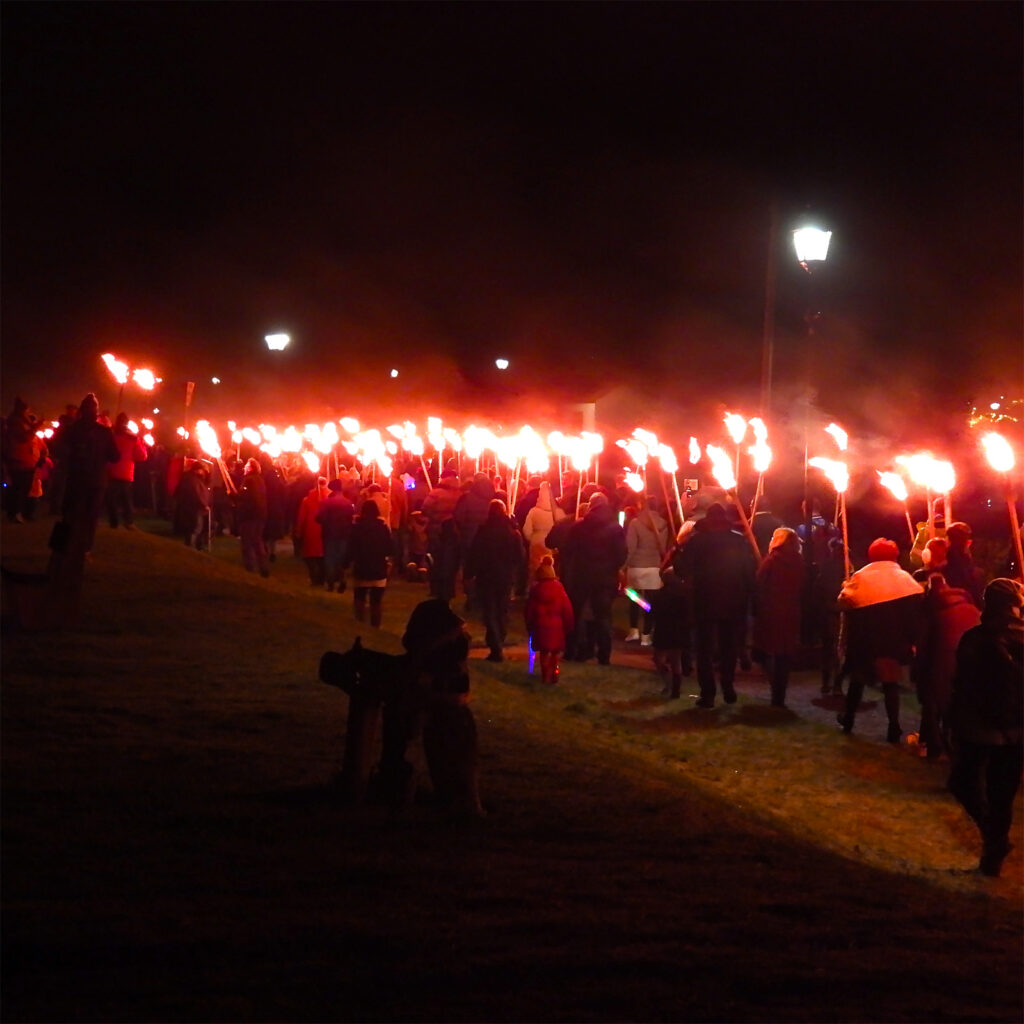
This is a quieter season with fewer visitors, perfect for those wishing to avoid crowds. The annual Torchlight Parade on January 1st features over 300 participants creating a spectacular scene as they walk along the seafront promenade holding their torches.
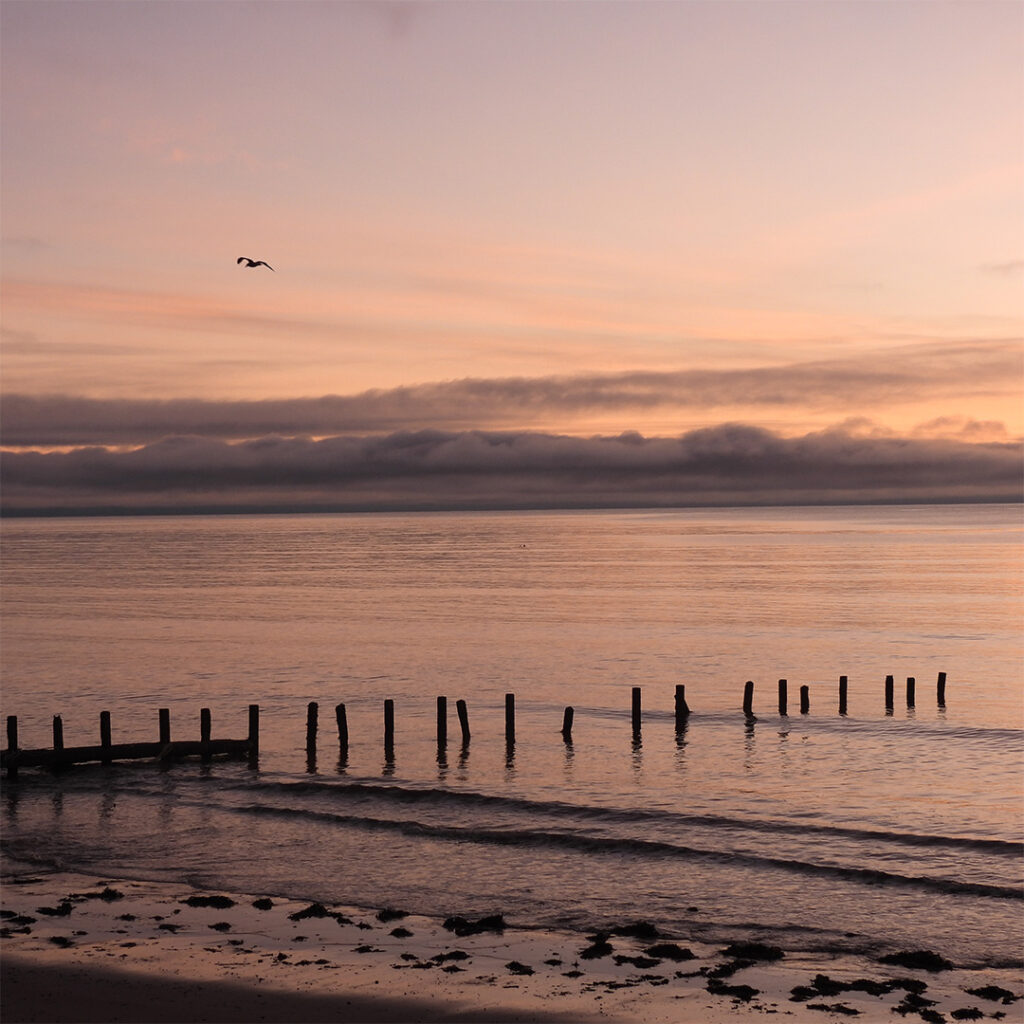
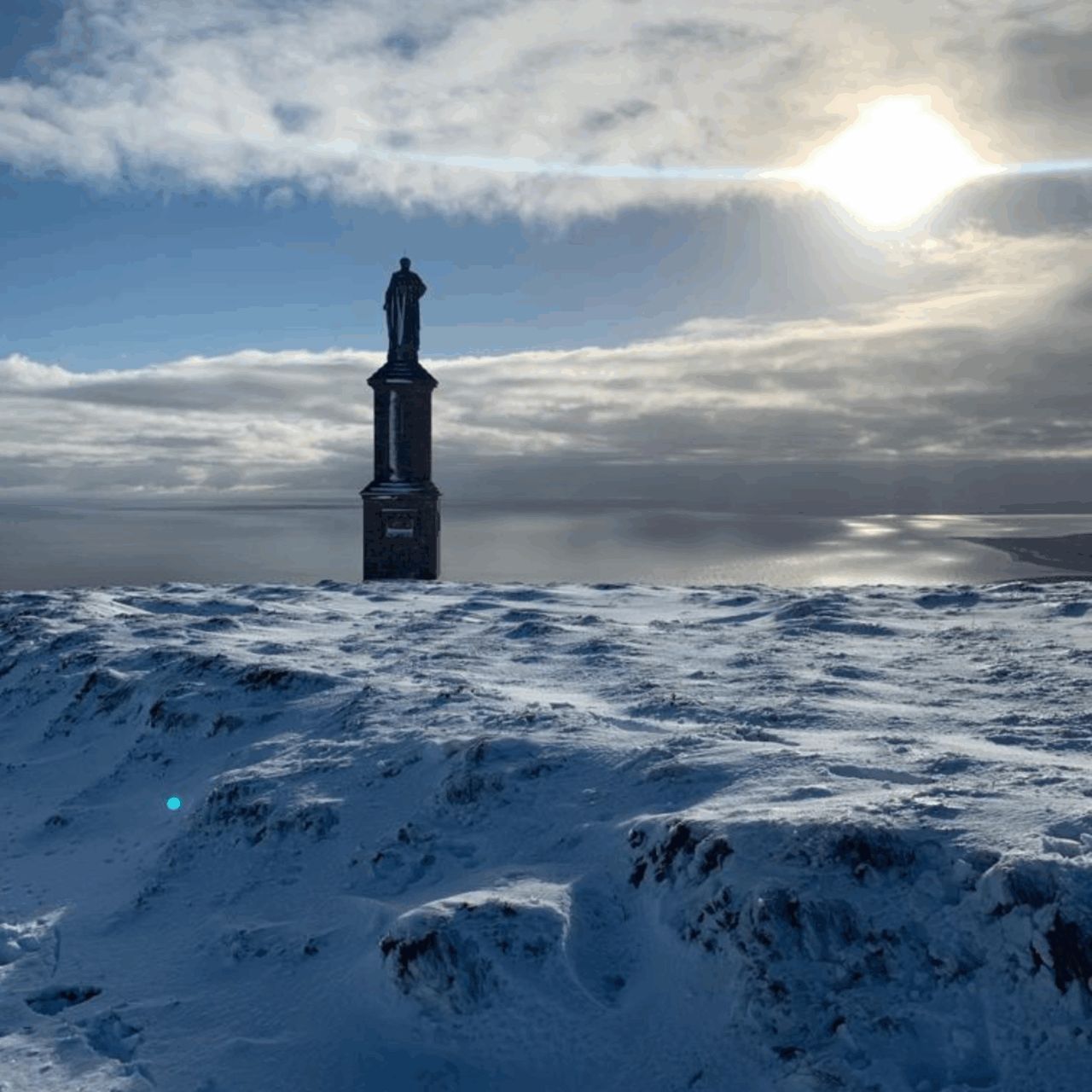
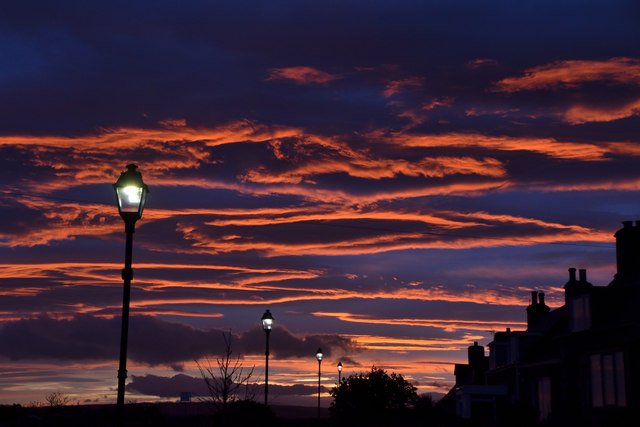
With sunrise around 9:00am and sunset by 3:30pm, there are great chances to stargaze and view the spectacular sunrises and the amazing Aurora Borealis.
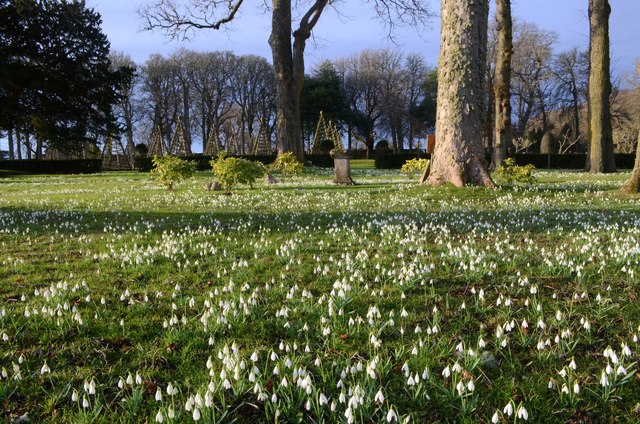
While Dunrobin Castle is closed, its gardens are open and free during the Scottish Snowdrop Festival from January to March.
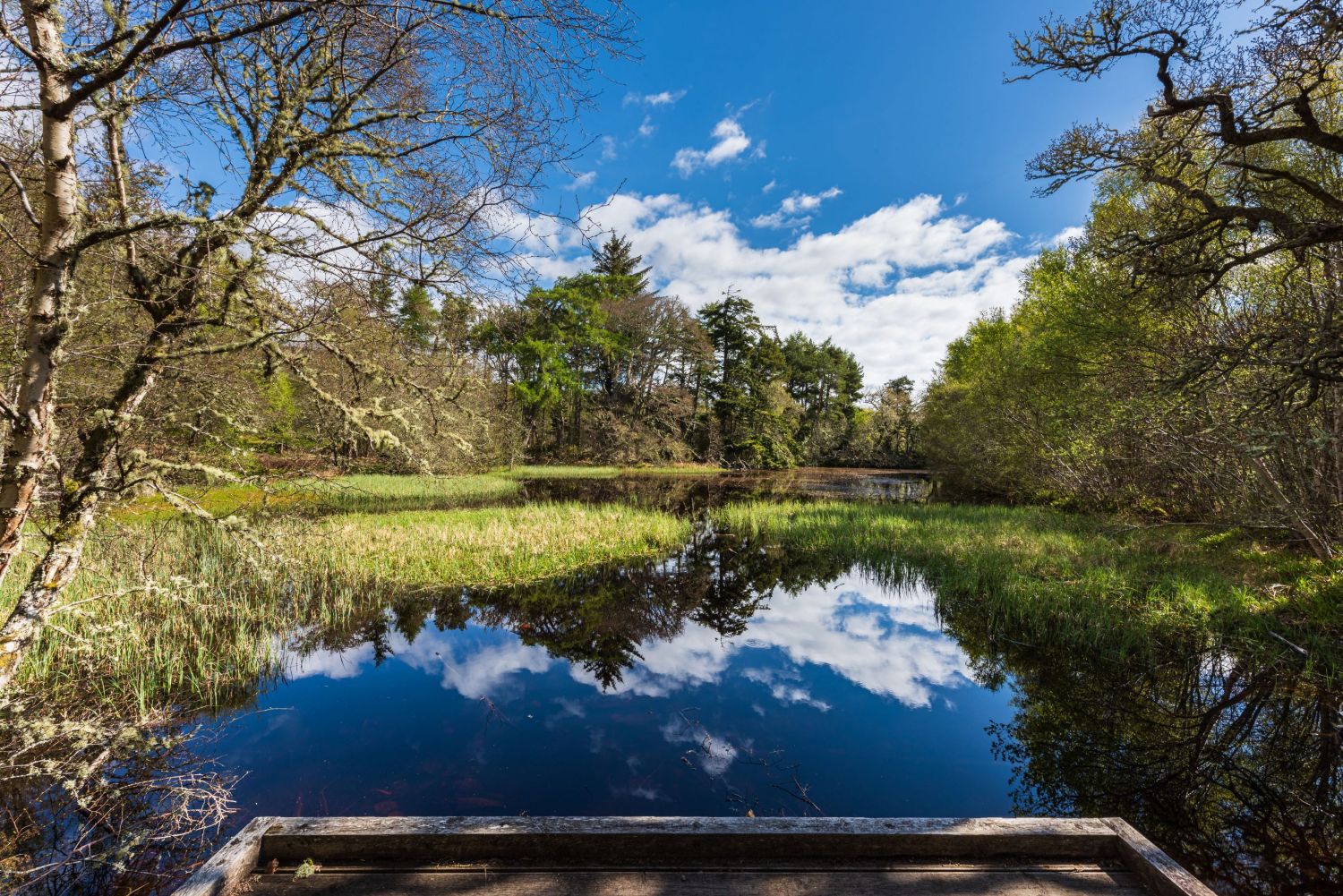
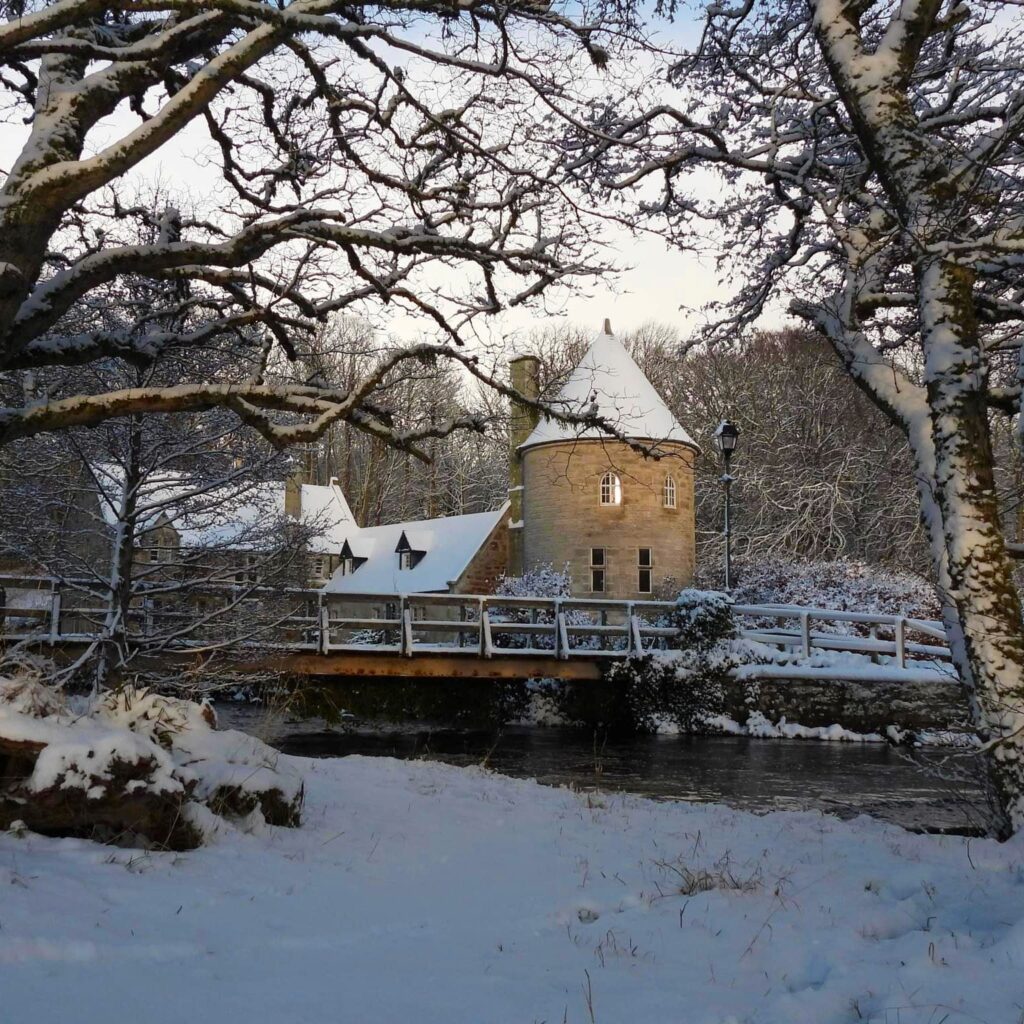
The Skating Pond on the Big Burn Trail rarely freezes enough for skating, but it’s still fun to skim stones across its icy surface.
Spring
March to May
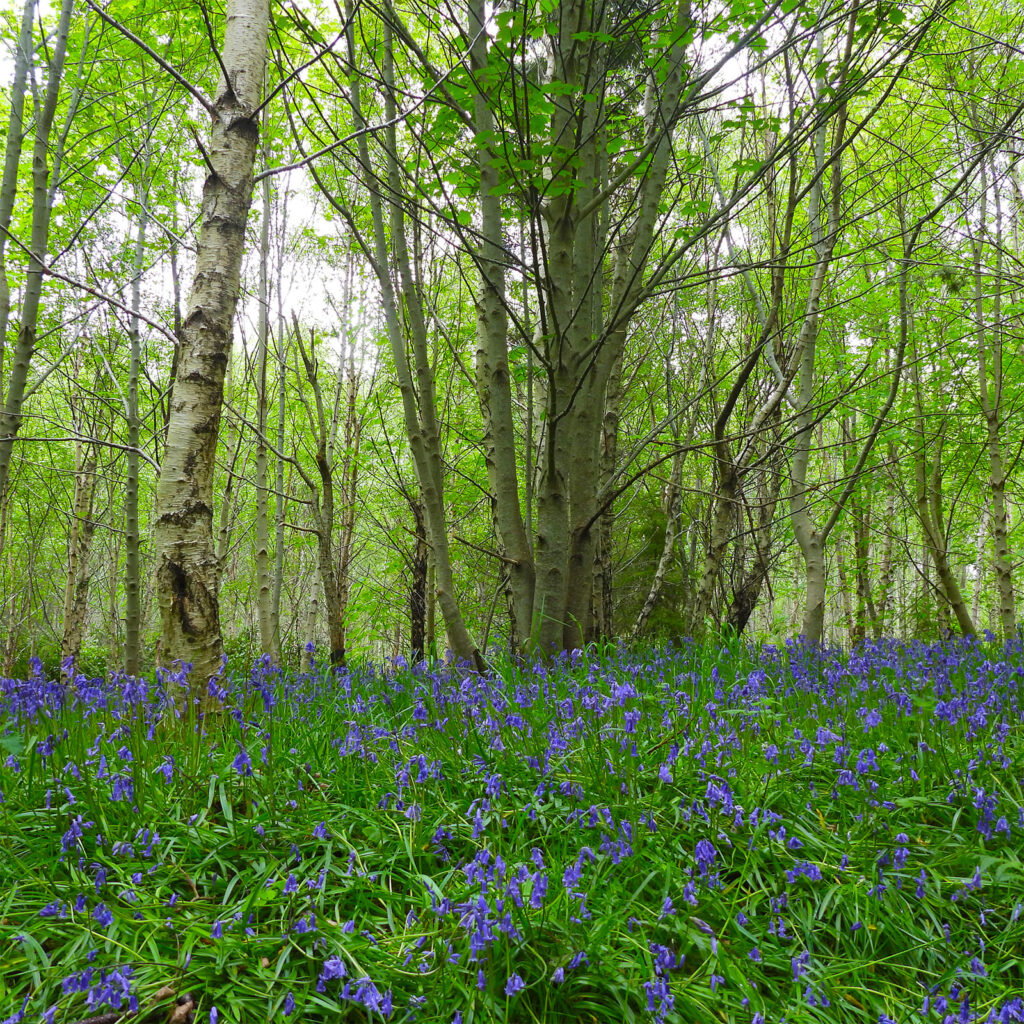
During March and April, visitor numbers are lower, yet the gentle weather encourages vibrant spring flowers such as bluebells to flourish along the Big Burn Trail. Also, the distinctive aroma of wild garlic fills the air, with lush green carpets growing abundantly – particularly near the car park.
On Golspie Burn, especially at the point where it flows into the sea at the end of Duke Street, the ducks -mostly Mallards – are always happy to greet visitors, particularly when there’s a chance of being fed.
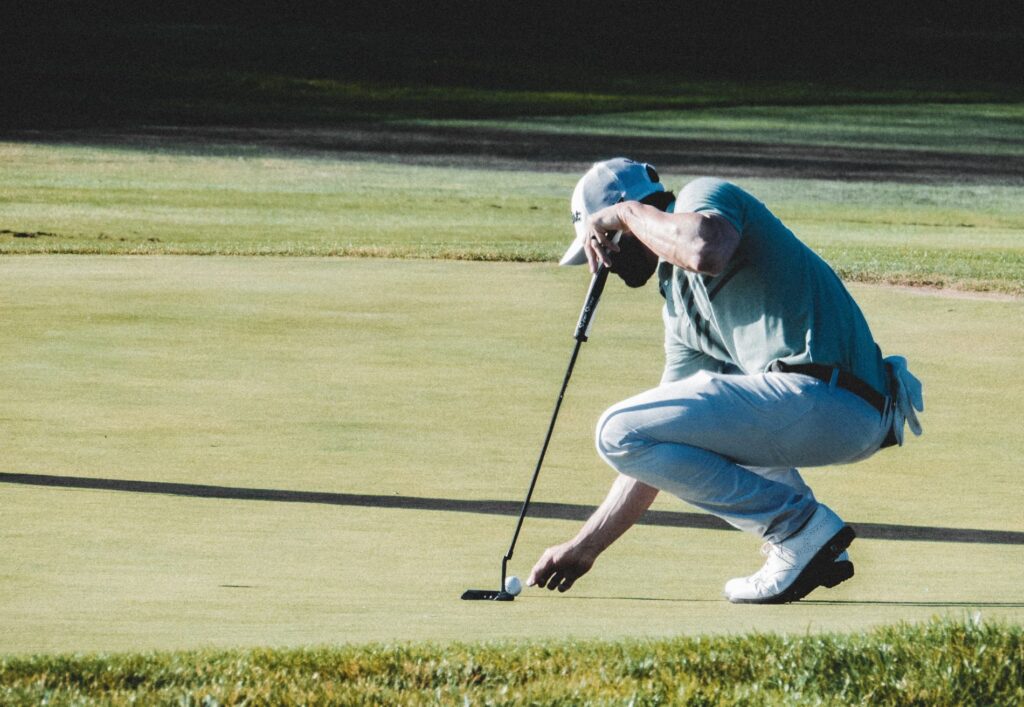
For the golfer the Golf Club season begins with the Spring Open, and Dunrobin Castle opens from April to October.
The Three Peaks Challenge—hiking, running, or biking Ben Horn, Ben Bhraggie, and Silver Rock—takes place around May or June.
Spring is sometimes considered the best time for mountain bikers to use the Highland Wildcat Trails due to the longer daylight hours and cooler weather.
From late March/early April there’s always a chance of seeing Ospreys near Littleferry or Loch Fleet. Arriving in spring to breed they stay through the summer to fish.